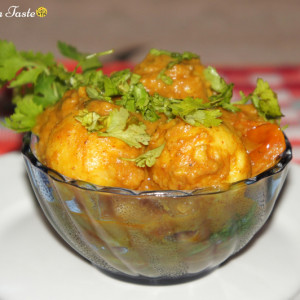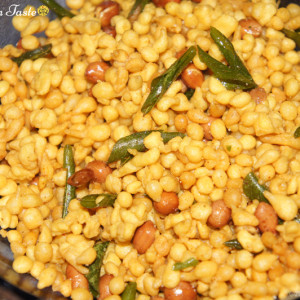
Sabudana Khichdi (Navratri special )
 (2 votes, average: 5.00 out of 5)
 Loading...
Sabudana (Sago) khichdi is mostly made for fasting days like navratri , mahashivratri , ekadashi or other festivals by Indians. Sabudana are usually two types large and small. Sabudana khichadi is Indian dish made from soaked sabudana. It is very easy , tasty and delicious snacks.Try it and Happy Indian Festivals 
Soaking Time: Minimum 2 hrs up to 8 hrs
Prep Time: 10 minutes
Cooking Tiime: 15 minutes
Serves: 4-5
Ingredients:
- Sabudana – 2 cups, (washed and drained)
- Water – 1/2 cup
- If you soak sabudana in excess water, then it will turn mushy and sticky.
- Rock salt – to taste
- Roasted Peanuts – 1 cup or to taste
- Oil – 2 Tbsp
- Green chillies(sliced long ways) - 5 to 6
- Coriander leaves(chopped) - 2-3 tbsp
- Cumin seeds - 1 tsp
- Turmeric - 1/4 tbsp
- Big potato - 1
Method:
- Gently wash then soak sabudana in about 1/2 cup of water for 2 hrs up to 8 hrs.
- After 2 hours, you will notice that its size has increased to almost double.
- Drain excess water, if any, and transfer it to a plate.
- Boil potatoes and cube it and keep aside.
- Dry roast the peanuts. And rub them with yours hands (after roasting) and peel the skins.
- Heat oil over medium flame in a heavy based aluminum or non-stick pan (kadai).
- Add cumin seeds in heated oil.
- When seeds begin to crackle, add green chilli and sauté for 10 seconds.
- Add he potatoes, mix well and saute for 2 minutes.
- Add the sabudana, salt and turmeric, mix well and cook for 3 minutes, while stirring continuously.
- Add the groundnuts ,mix well and saute for 1 minutes.
- Turn off the flame. Transfer khichdi to a serving bowl and garnish with coriander leaves.
Tips & Notes:
- If you soak sabudana in excess water, then it will turn mushy and sticky.
- If not fasting you can use normal salt too.
- Green chillies during fasting then skip that and add freshly crushed black peppercorn to taste.
- Use of non-stick pan is recommended, as it will help prevent sticking while cooking
Sago/Sabudana
Sago is a starch extracted in the spongy centre, or pith, of various tropical palm stems, especially Metroxylon sagu. It is a major staple food for the lowland peoples of New Guinea and the Moluccas, where it is called saksak, rabia and sagu. Src:Wiki